Valdosta State Review and Hiring Instructions Graduate School

Choosing a school organization for your children is an important and potentially life-altering decision. Some of the factors to consider when choosing where to ship kids to school include test scores, the teacher-to-student ratio and the per-student spending. It's besides of import, though, to consider safety, cultural offerings and dedication to education.
The following are the top thirty states with the all-time school systems for students to attend. Each land's rank is an overall placement that factors in the list of items mentioned higher up.
30. Hawaii
Hawaii's school arrangement may not exist the all-time, but it still bests many states. I thing Hawaii has going for it is that the schoolhouse system is unified throughout the entire land, meaning that every school district is operated by the same Board of Teaching and follows the aforementioned policies.

In addition to public schools, private schools and charter schools, Hawaii also has 11 language-immersion preschools, which have little ones spend time with elders to learn cultural appreciation. Hawaiian students tend to score above the national average on the ACT college placement test but below boilerplate on the SAT.
29. Michigan
Michigan is a wonderful place to get to view the cute lake of the same name, but there are ameliorate places to send your kids to school. While Michigan has been known to spend every bit much as $fourteen.5 billion on the education budget for the public schoolhouse system, that doesn't actually add together up to much per student.

Pupil-to-instructor ratios in Michigan's schools stay fairly low, with some schools averaging only 7 students to one teacher. This gives teachers the ability to spend more than time with individual pupils when needed. That ratio is quite possibly the most positive matter most Michigan schools.
28. Due north Carolina
N Carolina's school system is average when taking all factors into consideration. The educatee-to-teacher ratio is ane instructor to about 15 students, meaning that teachers cannot spend equally much 1-on-ane time with the students who need extra attention. The per-student spending is approximately $8,390, which is relatively low, and the teachers' salaries are some of the everyman in the nation.
Due north Carolina'due south graduation charge per unit is almost 82.5%, which is considered fair. Act scores of graduates are some of the lowest in the nation, but the SAT scores are about boilerplate. Fewer than half of students are considered highly skilful in reading and math.
27. Florida
Florida's school organization besides has a teacher-to-student ratio of 1 teacher to every fifteen or then students and 1 of the highest administrator-to-student ratios at one admin to every 327 students. The per-student spending is 1 of the lowest in the country at $8,433, and the graduation rate falls in at 75.6%.

Math and reading scores on standardized tests show that less than half of Florida students are expert at reading and math. In the southeastern states of Florida, Alabama, Georgia and Mississippi, Florida does rank pretty highly. Yet, on a national scale, the state'southward Act and Sat scores are more on the boilerplate side.
26. Idaho
Idaho schools have per-student spending of less than $seven,000, which is actually the 2d-everyman in the country. The teacher-to-pupil ratio is i teacher to every 20 students, which is high compared to the national average. The land did score college than the national average on the Human activity but lower on the Saturday.

Fortunately for Idahoan students, the state has been heavily focused on literacy for the last few years and is currently working on ways to improve math scores. Additionally, the board of education is looking into per-student spending for ways to redistribute funds in a more efficient fashion.
25. New York
New York's school system has the highest per-student spending in the nation, which averages approximately $19,818 per educatee. The teacher-to-educatee ratio is ane teacher to every xiii students — which is pretty low, all things considered. The state's Human action and SAT scores are also at or higher up average.

One of the reasons New York comes in in the eye is due to its graduation rate of simply 76.viii%. School prophylactic is also considered an event. In some means, though, New York students have information technology made because they live in the "cultural capital of the world" with more than 800 languages and diverse industries to experience.
24. Delaware
Delaware has one teacher for every 14 students and a high per-student spending level of $thirteen,833. It was the showtime state to put the Internet into every classroom in K–12 schools. The state has an fourscore.iv% graduation charge per unit, and Delaware students scored above the national average on the ACT just ranked pretty low in Sabbatum scores.
One upside to Delaware's school system is that the local school boards take some control over both the curriculum used and taxation. This is helpful in that they can meliorate encounter what each school district needs individually instead of generalizing.
23. South Dakota
Despite South Dakota holding nigh 1-fifth of the country'due south bank assets and having lucrative employment including Citibank and Ellsworth Air Forcefulness Base of operations, student spending is fairly low at only $8,470. However, Southward Dakota scored higher than the national average on both the SAT and ACT, and it has a graduation rate of 82.7%.
With such high test scores, 1 would expect that most of the students would be proficient in math and reading. However, fewer than half of students are considered expert, and they score lower in reading and math than kids in their neighboring states.
22. Utah
Utah schools have a very high teacher-to-student ratio of one teacher for every 23 students and the lowest per-student spending in America at only over $6,500. Withal, the country's students do well in numerous areas, so funds and ratios don't seem to affect them.
Utah's students scored higher in reading and math proficiency than the national boilerplate. Their graduation charge per unit of 83% beats the national average as well. Their ACT scores were barely below the national average, simply their Saturday scores were above. Additionally, the dropout rate is only 1.5% — much lower than the iii.3% national average.
21. Missouri
The Missouri schoolhouse system does pretty well for its students, also. In that location's an average of one teacher for every 14 students, which is lower than the national average and its neighboring states' ratios. In that location'due south approximately $9,500 in per-student spending per year, placing Missouri around the middle of the nation.
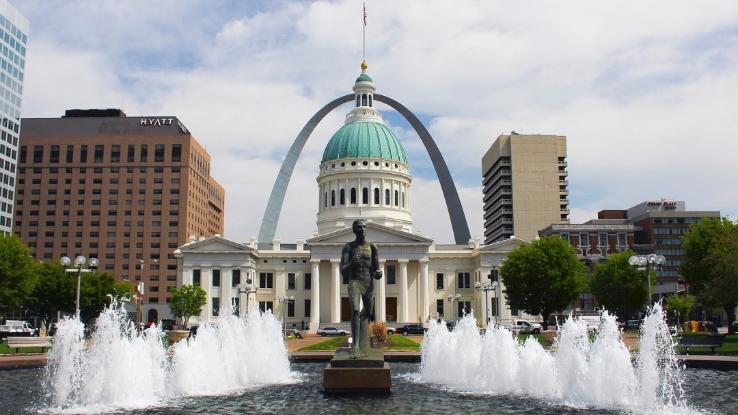
Students' reading and math proficiency scores are within 1 to 2 percentage points of the national averages. Missouri students scored college on both the ACT and Sat than the national average. Additionally, the state'due south graduation charge per unit is above average at 85.seven%, and the dropout rate is lower than average.
20. Montana
Montana has much more land than people — ii-thirds of the country is farmland. That may be why it has a lower-than-boilerplate teacher-to-educatee ratio of ane teacher for every 14 students. Per-pupil spending is approximately $10,600, making it mid-range in its spending. The state did attain both higher math and reading proficiency scores than the national averages.
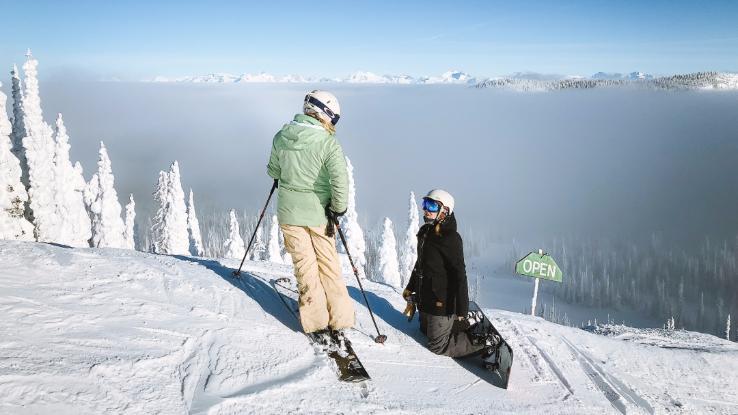
Montana students likewise scored higher on both the ACT and the SAT than the national boilerplate. The graduation rate is 84.4%, which is high, but the dropout rate is higher than the national average at just over 4%.
19. Washington
Washington has several public arts schools, such every bit the Tacoma School of the Arts, the Center School and the Vancouver Schoolhouse of Arts and Academics. Additionally, Washington offers multiple Stem schools, such as Delta High School, Tacoma Scientific discipline and Math Institute, Raisbeck Aviation High School and the Tesla Stem High School.

The state also has the "Running Start" program, which began in 1990. This program lets high school juniors and seniors earn college credits from a higher-education institution while working toward their diplomas. This helps students earn higher credits — for costless — that they can apply toward bachelor's degrees.
18. Ohio
Though nonetheless not at the top of the listing, Ohio schoolhouse systems have improved plenty to move up twenty spots in the last eight years. The state has an average teacher-to-student ratio of i teacher to every xvi students and per-student spending of $11,197.
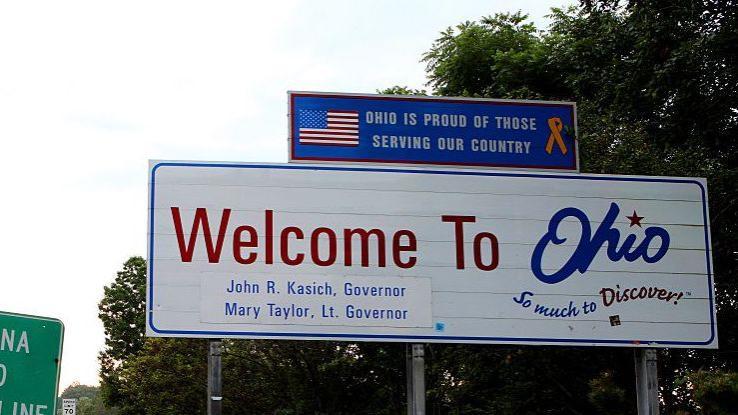
Ohio'due south reading and math proficiency test scores are higher up the national average and college in most areas than those of neighboring states. The students' Human activity scores and SAT scores rank higher than the national average, also. Ohio's graduation rate of 82.2% is higher than the national average. Unfortunately, so is the state's dropout charge per unit of over 4%.
17. Maine
Maine has a low ratio of one instructor to only 12 students, also equally higher-than-boilerplate per-student spending of $12,344. Maine's reading proficiency and math proficiency scores are above the national average — though not as loftier equally in the neighboring states of Massachusetts, Vermont and New Hampshire.

Students scored above the national average on the Deed. Even so, their Saturday scores were quite a bit below average. The land's graduation rate is 86.four%, which is higher than the national average and inside range of its neighbors. The dropout rate of 3.ii% is right beneath average.
16. Wisconsin
Wisconsin has approximately 1 teacher for every 15 students, which is the everyman among its neighboring states, and information technology spends an average of $eleven,071 per pupil. The percentage of students at or above proficiency in math and reading is higher than the national boilerplate and comparable to its neighbors.

Students who took the ACT and Sat here scored above the national average. Wisconsin also has a graduation charge per unit of 88%, which not only beats the national average just the averages of all of its neighbors. The country'due south dropout rate of simply one.9% is significantly below the national average.
xv. Kansas
Kansas schools have a below-average teacher-to-educatee ratio of i instructor to every 12 students. Its per-student spending is as well below average at less than $10,000. Yet, reading and math proficiency test scores here are above both the national average and most of the state'south neighbors.

Kansas students who took the Human activity scored higher up the national average and above the averages in neighboring states. Those who took the SAT also scored in a higher place the national boilerplate and all but 1 of the land's neighbors. The graduation rate of 85.7% is above the national average but in line with Missouri, Nebraska and Oklahoma.
14. Colorado
Colorado runs beneath the national average in more than one way. There's one teacher for every eighteen students, per-student spending is less than $9,000 and the graduation rate is near 76.9%. The state does, however, have a couple of things going for it.

Students that are at- or above-proficient in reading and math are higher than the national average and neighboring states. In fact, the 4th-grade math proficiency score of 50% ranked 6th-highest in the nation. Students who took the Act examination scored only 0.five points below the national average and above on the SAT.
13. Iowa
Great instruction for Iowa started back in 1910 with the introduction of secondary schools. Iowa established loftier schools across the whole state — something that was completely unheard of at that fourth dimension. The state has the acme graduation rate in the land and one of the lowest student-to-teacher ratios.

The Iowa Board of Educational Examiners is the oldest country educational activity board in the state, and it'south very involved in the education system. In addition to public schools and public lease schools, there are specialized schools such every bit the Iowa Braille and Sight Saving School and the Iowa School for the Deaf.
12. Minnesota
Among other things, Minnesota is defended to instruction literary arts. In 2015, Minneapolis, Minnesota, was named the nation's "most literate city" with St. Paul, another city in Minnesota, coming in fourth place. A 2013 study of eighth-grade students' performance in math and science showed that Minnesota ranked eighth place in the entire globe.

The state is home to charter schools and a wide network of public universities and colleges. There are xx private colleges and universities, which include some of the Us' top liberal arts schools, conveying on the idea that literary arts brand a big difference in didactics.
11. Maryland
Approximately 40% of Maryland'southward general fund goes to education, which is spread out to public schools and charter schools. The state is interested in taking learning outside of the schools, too, and making information technology widely available. There are 24 libraries that provide education to all interested Maryland residents through three systems: Self-Directed Instruction, Research Assistance & Instruction and Instructive & Enlightening Experiences.

This dedication to teaching and self-comeback continues later high school graduation, as is axiomatic in the country's colleges and universities. Maryland is domicile to widely known Johns Hopkins University and to the U.s.a. Naval Academy.
10. Pennsylvania
Pennsylvania is home to the sixth-biggest economy in the United States — 44 of America'south largest companies are here. This may be why the land ranked high in its per-educatee spending of $13,864. There'south also a beneath-average teacher-to-student ratio of one teacher to 14 students.

Math and reading proficiency tests testify to a higher place-average scores. In fact, the state ranks in the pinnacle 3rd for math, reading and writing tests. The state'southward ACT scores are in a higher place the national average, but the Saturday scores are very slightly below it. Pennsylvania'due south graduation rate of 85.5% is also higher than the national average.
9. Nebraska
Nebraska is another state that has a instructor-to-student ratio of only one instructor to fourteen students. The per-student spending is more than $11,500, ranking the state in the elevation tertiary of the nation. The per centum of students who are at or above reading and math proficiency is higher than the national average, too.

Students who took the ACT and the SAT scored college than the national average and in line with neighboring states. Nebraska also has one of the highest graduation rates of 88.v%. Even the dropout rate of approximately ii.1% is lower than the national average.
8. Virginia
If yous're looking for a culture-rich land with high exam scores, Virginia is the place. The schools consistently outperform the national average in all subjects. The Virginia Department of Education created the state's Standards of Learning and regularly enforces them, ensuring that public schools provide a high-quality pedagogy to all students.

Going beyond test scores, it's an achievement that 91.6% of Virginia's loftier-school seniors graduated on time in 2018. There's a large array of private and public schools, charter schools and programs for the gifted. There are 169 colleges and universities, including Virginia Tech and Virginia Military Establish.
7. Illinois
Illinois has an average of one instructor for every 15 students and has per-student spending of $12,288. The percentage of students who are proficient in reading and math is in line with the national average. ACT scores come out to slightly below the national average, but SAT scores here are significantly above the national average and the land's neighbors.

The graduation rate of 83.2% is a little higher up the nation'due south average. The Illinois Land Board of Teaching audits the operation of Illinois public schools and helps create effective plans for instruction spending — plans which are bringing changes to the unabridged school organisation.
vi. Indiana
Indiana has a college-than-average instructor-to-pupil ratio of one teacher to every 17 students, and the per-student spending of $9,566 is pretty low. Withal, math and reading proficiency exam scores are significantly higher up the national average and about of the land's neighbors' scores.
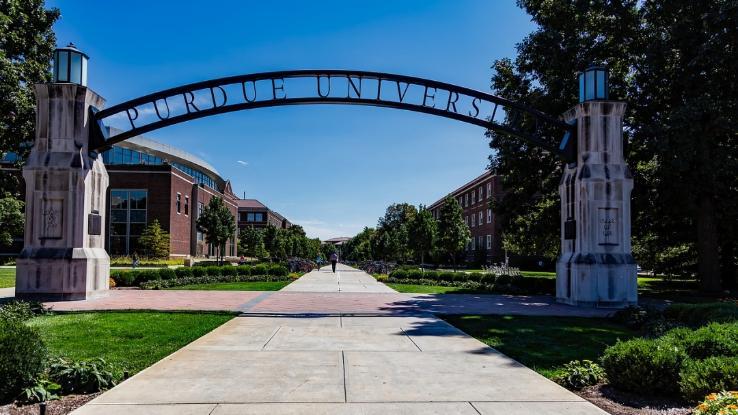
Indiana's graduation rate of 87% is well above the national average. In fact, it'due south ane of the highest in the nation. Human activity scores are also higher than the national average. The SAT scores, on the other hand, are slightly beneath it. The state also has a low dropout rate of approximately one.8%.
v. Connecticut
Though Connecticut's school districts are ranked fifth overall, the state ranked third for educational performance. In that location'southward i teacher for approximately every thirteen students, and the land has the fifth-highest per-student spending at $sixteen,631. Students' reading and math proficiency exam scores are in a higher place the national boilerplate only nether Massachusetts' and New Hampshire's scores.
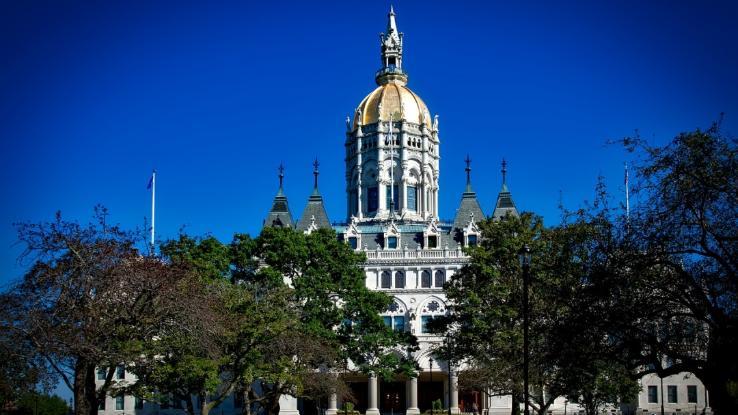
Connecticut ACT scores are loftier above the national average and ii of its neighboring states'. The Saturday scores are also above the national average, every bit is the graduation rate. The dropout rate is under 2%, putting Connecticut below the national average of 3.3%.
4. Vermont
Vermont is one of the states with the everyman populations because its size. This likely contributes to the power of the land to provide i instructor for every 11 students. It as well has high per-student spending, ranking sixth at $sixteen,377. The state's math and reading proficiency scores rank very loftier, possibly thank you to the teacher-to-student ratio.
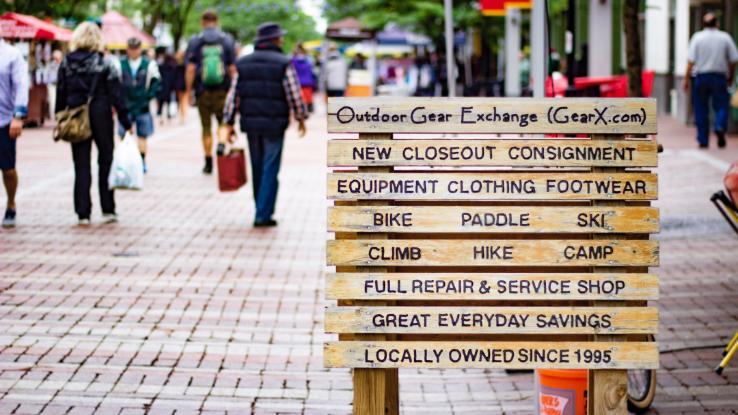
Peachy scores don't cease in that location, though. Both ACT and Saturday scores are above the national average and in line with neighbors Massachusetts and New Hampshire. Vermont'due south graduation rate of 86.6% is one of the nation's highest, and the dropout rate is lower than average.
iii. New Hampshire
New Hampshire'due south schoolhouse system ranks third overall in the country. The teacher-to-student ratio is depression, at one teacher to every 13 students, and the per-educatee spending is over $xiv,000. New Hampshire'due south students score significantly college than the national averages on their math, science and reading assessments.
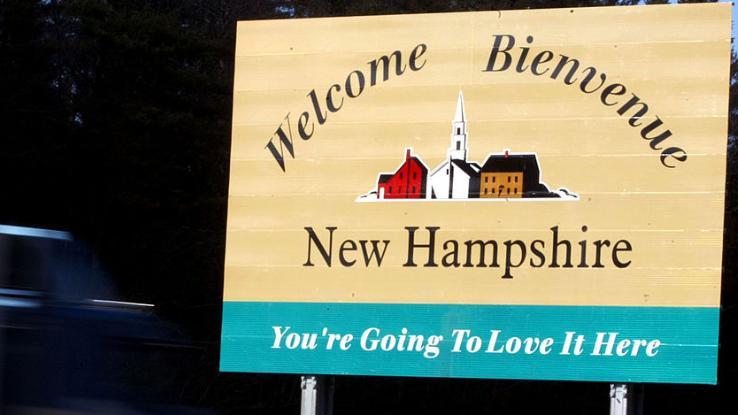
The well-funded school arrangement near likely has the whole land's economical condition to thank. Less than 5% of the population lives in high poverty. The state is also pretty small — every city has fewer than 100,000 residents except for ane. It also has a tedious growth rate, which benefits the state dramatically.
ii. New Bailiwick of jersey
New Bailiwick of jersey's school system is an excellent option for students who need more one-on-one attention in the school setting because information technology has a low pupil-to-teacher ratio at one teacher for every 12 students. Information technology too has higher per-student spending than the national average and 1 of the highest-educated workforces.
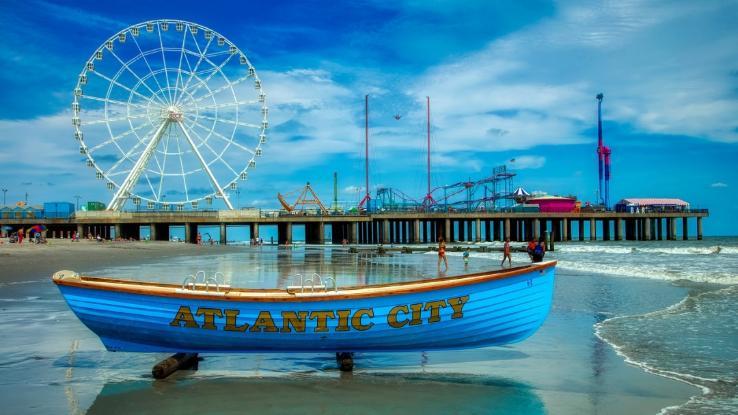
New Bailiwick of jersey also has one of the highest graduation rates in the state — 87.5% — and the 3rd-highest reading and math scores of the nation. The state earned 9 Blue Ribbon Schools awards from the U.S. Department of Teaching for high pupil accomplishment and high-quality programs in 2019.
i. Massachusetts
In 1993, Massachusetts leaders decided to transform instruction, making information technology bachelor to students of all financial backgrounds. They set very high standards and implemented a very strict accountability system to ensure that no kid got left behind through the eighth grade.
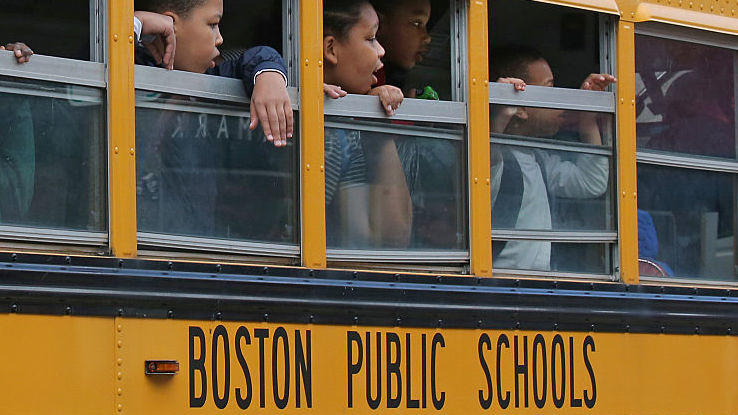
Since the transformation began, Massachusetts has worked hard to fulfill its goal. In improver to other acts, the state immune and welcomed charter schools into the organization. The state has besides more than doubled its public education funding. All of this work resulted in having an incredibly low ii% drop-out rate and rising to the number-one spots for math and reading scores nationally.
Source: https://www.smarter.com/so-smart/best-public-schools-states?utm_content=params%3Ao%3D740011%26ad%3DdirN%26qo%3DserpIndex
0 Response to "Valdosta State Review and Hiring Instructions Graduate School"
Postar um comentário